

PTSD and insomnia in veterans are rarely two separate problems. For most veterans living with both, they’re the same problem expressing itself in two different ways. The hyperarousal and emotional dysregulation that define PTSD make restful sleep nearly impossible, and the chronic sleep deprivation that results makes PTSD symptoms harder to manage day by day. It’s a cycle that traditional medication and therapy alone don’t always interrupt effectively.
In Virginia, medical marijuana is now a legal, state-regulated option that a growing number of veterans are exploring. Understanding what the clinical research suggests, what the law actually permits, and how to access the program is a practical starting point for any veteran who is weighing their options.
Why PTSD and Insomnia Are So Deeply Connected in Veterans
To understand why these two conditions are so often treated together, it helps to understand what PTSD does to the nervous system at a physiological level.
Post-traumatic stress disorder is not simply a memory problem or an emotional response to difficult experiences. It’s a condition in which the nervous system becomes dysregulated, stuck in a sustained state of threat response. The brain’s fear circuitry, particularly the amygdala, remains on high alert even in environments that are objectively safe. This hyperarousal is one of the defining clinical features of PTSD, and it has a direct, measurable effect on sleep.
Sleep requires the nervous system to shift into a parasympathetic state, a mode of rest and restoration that is physiologically incompatible with sustained threat response. Veterans with PTSD often find that the transition toward sleep triggers exactly the kind of perceived vulnerability the hyperaroused nervous system is wired to resist. The result is difficulty falling asleep, frequent nighttime waking, and a pattern of combat-related nightmares or night terrors that reinforces the brain’s association between sleep and danger.
Over time, chronic sleep deprivation compounds PTSD symptoms. Emotional regulation deteriorates, intrusive thoughts become more frequent, and the capacity to engage productively in therapy or other treatment modalities diminishes. Addressing one condition without the other often produces only partial results.
What the Research Suggests About Cannabis and PTSD
The scientific literature on cannabis and PTSD has grown considerably over the past decade, and it’s worth engaging with honestly rather than with overclaiming. Research is still developing, most studies have been smaller in scale than researchers would like, and universal conclusions are difficult to draw across a population as diverse as veterans with PTSD. That said, several findings have driven genuine clinical interest in cannabinoids as a complement to existing PTSD treatment.
The endocannabinoid system plays a recognized role in fear memory processing, stress regulation, and emotional response. CB1 receptors, which respond to THC and other cannabinoids, are concentrated in brain regions directly involved in PTSD pathophysiology, including the amygdala, the hippocampus, and the prefrontal cortex. Researchers have explored whether cannabinoids can reduce the intensity of intrusive memories, lower hyperarousal, and support the natural extinction of conditioned fear responses, the process by which the brain gradually unlearns a threat association.
Some observational and clinical studies have documented reduced nightmare frequency and severity in PTSD patients who use cannabis, a finding that is particularly meaningful for veterans whose insomnia is driven by recurring combat-related nightmares. Other research has examined broader PTSD symptom domains with mixed but cautiously encouraging results.
Virginia practitioners are not required to cite specific studies when certifying a patient for cannabis treatment. They use their professional judgment to determine whether cannabis is appropriate for an individual patient based on their history, their symptoms, and the clinical picture that emerges during the evaluation. PTSD is among the most commonly approved conditions under Virginia’s open-discretion model.
What the Research Suggests About Cannabis and Insomnia
The clinical literature on cannabis and sleep has a longer history than the PTSD-specific research, and the picture it presents is more nuanced than a simple “cannabis helps you sleep” or “cannabis hurts your sleep” conclusion.
Cannabis affects sleep differently depending on the individual, the nature of the insomnia, the underlying conditions contributing to it, and a range of other variables that clinicians weigh during an evaluation. Research has explored cannabinoids and their effects on sleep onset time, total sleep time, nighttime waking, and sleep architecture, the pattern of sleep stages experienced across a night.
Some studies have specifically examined sleep in the context of underlying conditions, including PTSD, chronic pain, and anxiety disorders, which are highly relevant to the veteran population seeking a medical marijuana card. The endocannabinoid system has a documented role in sleep-wake regulation, providing a biologically plausible basis for the sleep-related effects that many patients report experiencing.
At the same time, researchers have noted that individual variability is significant and that the long-term picture requires more investigation. What Virginia law allows is clear: insomnia is not excluded from the medical marijuana card framework, and a licensed practitioner can certify a patient for cannabis treatment when they determine it to be clinically appropriate.
A note on what this blog intentionally does not include: specific guidance on products, amounts, or frequency of use. Those conversations belong between a patient and their licensed practitioner during a proper medical evaluation. The goal here is to provide an honest, grounded picture of what the research says and what the law permits, not to substitute for individual medical advice.
What Virginia’s Law Says About a medical marijuana card for These Conditions
Virginia operates one of the most accessible medical cannabis programs in the country from a qualification standpoint. There is no government-maintained list of approved conditions. Under state law, any Virginia-licensed physician, nurse practitioner, or physician assistant registered with the Cannabis Control Authority can recommend cannabis for any condition they determine to be debilitating or likely to benefit from treatment.
PTSD and insomnia both fall comfortably within the range of conditions practitioners evaluate and approve regularly. Veterans managing both conditions simultaneously, which is common, can discuss both during a single telehealth evaluation. A practitioner can document both as part of the clinical basis for a medical marijuana card.
Virginia does not issue physical cards and does not charge a state fee for patients to access the medical cannabis program. The written medical marijuana card issued by a licensed practitioner, combined with a valid government-issued ID, is all a patient needs to purchase from any licensed dispensary in the state.
What Veterans Need to Know Before Their First Appointment
The most important practical fact for veterans pursuing a cannabis card in Virginia is one that surprises many people: VA doctors cannot issue medical marijuana cards. This is not a policy choice by individual practitioners. It’s a federal restriction. VA-employed physicians operate under federal guidelines, and because marijuana remains federally classified as a controlled substance, certifying patients for its use falls outside what they’re permitted to do in their VA capacity.
Veterans need to connect with a non-VA, Virginia-licensed practitioner for their medical marijuana card. With telehealth now fully legal and widely used for cannabis medical marijuana cards across Virginia, this is significantly less complicated than it might sound. Veterans don’t need to locate a new in-person clinic or navigate an unfamiliar healthcare system. A licensed telehealth appointment from a private space handles the entire evaluation.
What the Evaluation Appointment Looks Like for Veterans With PTSD and Insomnia
The appointment is a conversation, not a test or a checklist review. You’ll connect with a licensed Virginia practitioner via a secure video call and walk through your background and health concerns in your own words.
The practitioner will ask about your service history, the nature of your PTSD diagnosis, how your sleep has been affected, how long both conditions have been present, and what treatments you’ve already tried, whether from the VA or elsewhere. They’ll want to understand how both conditions affect your daily functioning, your relationships, your work, and your overall quality of life.
Bringing any documentation you have makes the appointment smoother. VA diagnosis records, treatment notes, a Veterans ID, or a DD-214 are all useful. None of it is a strict requirement. Many veterans provide their history verbally, and practitioners who regularly work with veteran patients are skilled at building an accurate clinical picture from a detailed, honest conversation.
If you’re approved, your written medical marijuana card arrives by email, often the same day. You can take it to any licensed Virginia dispensary alongside your valid ID and make your first purchase.
What to Expect at the Dispensary
Dispensary staff in Virginia are trained to work with patients who have a range of conditions and experience levels. For veterans who are new to medical cannabis, the dispensary is an opportunity to ask questions and learn what’s available without pressure to make any particular decision.
Staff can walk you through the product categories, explaining the general differences between inhalable formats, edibles, oils, tinctures, capsules, topicals, and patches. They can share what patients managing similar conditions have found useful, and they’ll guide you through the process of your first purchase calmly and clearly. You’re not expected to walk in knowing what you want. The staff’s job is to help you figure that out.
Conclusion
PTSD and insomnia in veterans are two of the most persistent and interconnected health challenges the veteran community faces, and clinical research continues to explore cannabinoids as part of managing both. Virginia’s open-discretion medical marijuana card model gives veterans with these conditions a real, legal path to medical cannabis, and the telehealth process means getting certified is no longer a logistical obstacle. A conversation with a licensed practitioner is the right next step for any veteran who is genuinely considering this option.
About Virginia Cannabis Cards
Virginia Cannabis Cards works with veterans across Virginia who are managing PTSD, sleep disorders, and other service-related conditions. Their licensed practitioners handle evaluations entirely by telehealth, medical marijuana cards are issued the same day, and the team brings genuine experience with the conditions veterans most commonly present with. Visit cannabiscardsva.com to book your appointment.
FAQs
Does PTSD qualify for a medical marijuana card in Virginia?
Yes. Virginia has no fixed qualifying conditions list, and PTSD is one of the most commonly approved conditions under the state’s open-discretion framework. A licensed Virginia practitioner evaluates each patient individually and determines whether cannabis treatment is appropriate based on the patient’s specific situation.
Can insomnia alone be a qualifying condition for a medical marijuana card in Virginia?
Yes. Insomnia is not excluded under Virginia’s medical cannabis program. A practitioner can certify a patient based on insomnia, particularly when it’s connected to or worsened by an underlying condition like PTSD, chronic pain, or anxiety.
Why can’t my VA doctor certify me for medical marijuana?
VA-employed physicians operate under federal guidelines, and federal law classifies marijuana as a controlled substance. This prevents VA doctors from issuing cannabis medical marijuana cards, regardless of what Virginia state law permits. Veterans need to work with a non-VA, Virginia-licensed practitioner for their medical marijuana card.
Can a veteran with both PTSD and insomnia get certified for both in a single appointment?
Yes. A single telehealth evaluation can address multiple conditions. Veterans should discuss both their PTSD and their sleep disruption openly during the appointment so the practitioner can document the full clinical picture accurately.
Is medical marijuana safe for veterans who are currently on other medications?
This is an important question and exactly the kind of thing to raise directly with a licensed practitioner during your evaluation. Interactions between cannabis and other medications are an individual consideration. A qualified practitioner can review your current medications during your appointment and help you understand whether cannabis is a safe addition to your treatment plan.
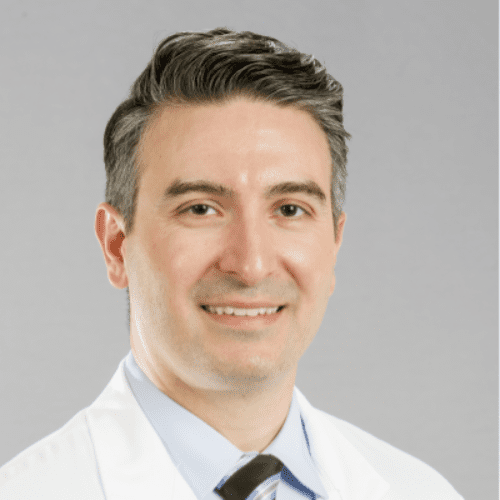
Dr. Hooman Saberinia, MD, is a Board-Certified Internal Medicine physician with extensive experience in both inpatient and outpatient care. With a background in diagnosing and treating a wide range of medical conditions, he has also proudly served Veterans as a primary care physician within the VA healthcare system. Dr. Saberinia completed his internal medicine training at the University of Connecticut Health Center and holds a Master’s in Health Systems Administration from Georgetown University. Passionate about a holistic approach to wellness, he advocates for the safe and effective use of medical marijuana to treat various conditions. Dr. Saberinia is committed to providing thorough medical evaluations for Virginia’s medical marijuana card program. Schedule a visit to receive your medical marijuana certification with Dr. Saberinia.