

For many people living with PTSD, the hardest part is not just remembering what happened. It’s reliving it repeatedly. Traumatic experiences can leave lasting emotional and physical marks, and the symptoms often extend well beyond the initial event. Nightmares, anxiety, irritability, and hypervigilance can make daily life exhausting and unpredictable.
While traditional treatments like therapy and medication help many individuals, they don’t always provide complete relief. This is why more people are looking into medical marijuana for PTSD as a natural, doctor-guided option for easing anxiety, improving sleep, and restoring emotional balance.
Let’s explore how it works, what science says, and how to access it safely and legally in Virginia.
Understanding PTSD and Its Impact on the Brain
Post-Traumatic Stress Disorder (PTSD) is a mental health condition that develops after someone experiences or witnesses a traumatic event. It alters how the brain processes fear, safety, and stress, often keeping the nervous system in a constant state of alert.
Common PTSD symptoms include:
- Intrusive memories or flashbacks
- Nightmares and sleep disturbances
- Emotional numbness or detachment
- Difficulty concentrating or relaxing
- Irritability or sudden anger
- Heightened startle response (hypervigilance)
PTSD doesn’t always appear as it does in movies. For many, it’s a quiet daily struggle to feel grounded and safe again. Over time, chronic stress can impact the immune system, hormones, and overall mental health. This is why finding effective, sustainable relief is crucial.
How Medical Marijuana Helps People With PTSD
The potential of medical marijuana for PTSD lies in its interaction with the body’s endocannabinoid system (ECS), a network of receptors that regulates mood, memory, stress response, and sleep. When this system becomes unbalanced after trauma, it can make it hard to calm down or recover from stress.
Cannabis contains compounds known as cannabinoids, mainly THC (tetrahydrocannabinol) and CBD (cannabidiol). These compounds work with ECS receptors to help restore balance in the brain and body.
How Cannabis Supports the PTSD Brain:
- Calms overactive fear responses: THC can help regulate activity in the amygdala, the part of the brain responsible for fear and emotional memories.
- Reduces anxiety and hyperarousal: CBD has anti-anxiety properties that help quiet the nervous system and encourage relaxation.
- Improves sleep quality: Many patients find cannabis reduces nightmares and helps them fall and stay asleep.
- Supports emotional regulation: The ECS helps control emotional reactions, making it easier to manage mood swings or intrusive thoughts.
Think of medical cannabis as helping the body’s “reset switch” work again, allowing you to rest, breathe, and start to heal without the constant tension that PTSD brings.
What Research Says About Cannabis and PTSD
Scientific research on cannabis and PTSD is growing, and while studies are ongoing, the results look promising.
Clinical studies have found that cannabis may reduce intrusive memories, improve sleep quality, and lessen the intensity of nightmares for PTSD patients.
Veterans and trauma survivors often report a better quality of life, lower anxiety, and improved emotional regulation when using medical marijuana responsibly.
Early findings suggest cannabinoids can help restore balance to neurotransmitters like serotonin and norepinephrine, both important in mood and fear response.
It’s important to remember that medical cannabis isn’t a one-size-fits-all solution. Dosage, strain type, and individual body chemistry all affect results. With medical guidance, many patients find peace they couldn’t achieve with other treatments alone.
Benefits of Medical Marijuana for Emotional Healing
Reduced Anxiety and Fear Response:
Medical marijuana helps calm racing thoughts and allows the nervous system to shift from “fight or flight” to a calmer and more focused state.
Better Sleep and Fewer Nightmares:
THC and CBD together may improve sleep quality, leading to deeper, more restful sleep and fewer traumatic dreams.
Improved Emotional Stability:
By interacting with brain areas responsible for emotional control, cannabis can reduce irritability, tension, and sudden mood changes.
Enhanced Quality of Life:
When fear and anxiety decrease, daily activities become more manageable. Many patients report improved social connections and a renewed sense of safety.
For many, medical marijuana doesn’t erase trauma, but it helps quiet the noise so real healing can start.
How to Get a Medical Marijuana Card in Virginia (Step-by-Step)
If you’re interested in trying medical cannabis as part of your PTSD care plan, Virginia’s system makes it simple, private, and legal.
Step 1: Book an Appointment
Schedule a telehealth visit (video or phone) with a licensed Virginia medical marijuana doctor. Appointments are confidential and easy to book online.
Step 2: Complete Your Intake Form
Fill out a short medical history form to help your doctor understand your symptoms and goals.
Step 3: Telehealth Visit
Meet virtually with your doctor to discuss your PTSD symptoms and how cannabis might assist.
Step 4: Receive Your Card
Once approved, you’ll get your Virginia medical marijuana card via email the same day.
Step 5: Visit a Licensed Dispensary
Bring your card and ID to a Virginia dispensary, where pharmacists can help you find products aimed at relaxation, sleep support, or emotional balance.
Best Cannabis Options for PTSD Relief
There are many types of medical cannabis, and each interacts differently with the body. Always consult your doctor or dispensary pharmacist to find what works best for you.
- CBD-dominant products: Calm anxiety and improve focus without causing intoxication great for daytime use.
- Balanced THC/CBD strains: Provide both relaxation and clarity, ideal for managing anxiety and mild sleep issues.
- Indica strains or tinctures: Often used at night for deeper sleep and muscle relaxation.
- Edibles or capsules: Provide long-lasting effects, helping maintain emotional stability throughout the day.
Start low, go slow, and keep a symptom journal to track how different products affect your mood and sleep.
Combining Cannabis With Other PTSD Treatments
Medical marijuana works best as part of a broader treatment plan. It can enhance therapy and self-care practices by reducing physical tension and emotional overload.
Complementary approaches include:
- Cognitive Behavioral Therapy (CBT): Helps restructure negative thought patterns.
- EMDR (Eye Movement Desensitization and Reprocessing): Reduces the emotional charge of traumatic memories.
- Mindfulness and Meditation: Promote grounding and awareness in the present.
- Yoga and Exercise: Improve relaxation and body awareness.
- Creative Expression: Activities like writing, art, or music can help process emotions.
Healing takes time. Cannabis can help create the emotional calm needed to engage more fully with these other care methods.
Addressing Common Concerns About Using Cannabis for PTSD
“I don’t want to get high.”
Many PTSD patients use CBD-rich or low-THC products that soothe the mind without creating a high.
“Is it addictive?”
When used under medical supervision, cannabis is taken in moderation with careful dosing. The risk of dependency is much lower compared to some prescription medications.
“What if my trauma feels stronger?”
With a doctor’s guidance, cannabis can help regulate emotions safely instead of suppressing them. It should not replace therapy but can effectively complement it.
“Will my employer find out?”
Medical records and certifications are private. Your telehealth provider and dispensary follow strict privacy laws in Virginia.
What to Expect After Starting Medical Marijuana
Results vary from person to person, but most patients notice gradual improvements. The first signs of progress often include better sleep, calmer mornings, and fewer intrusive thoughts.
Regular check-ins with your medical provider allow for dosage adjustments and support along the way. Healing takes time, but medical cannabis helps create the emotional space where that healing can truly begin.
Conclusion: Finding Peace and Balance Again
PTSD may be part of your history, but it doesn’t have to determine your future. With safe, doctor-guided care, medical marijuana for PTSD offers a path toward calm, clarity, and emotional recovery. It helps the body and mind reconnect, providing the stability needed to move forward.
In Virginia, getting started is simple, secure, and private through telehealth. You deserve care that supports both your comfort and your healing.
At Virginia Cannabis Cards, we make it easy and safe to get your medical marijuana card online. We connect you with licensed doctors who understand the importance of compassionate care for those seeking balance, rest, and lasting emotional relief.
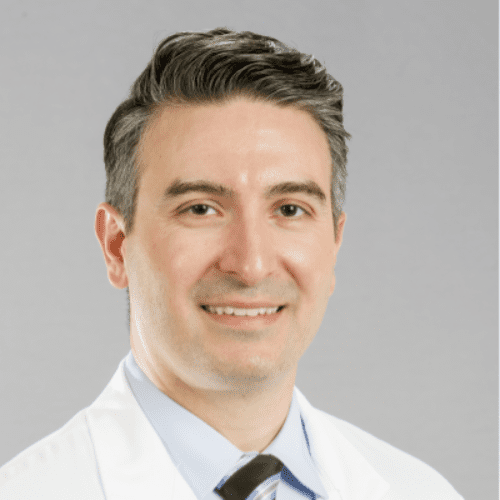
Dr. Hooman Saberinia, MD, is a Board-Certified Internal Medicine physician with extensive experience in both inpatient and outpatient care. With a background in diagnosing and treating a wide range of medical conditions, he has also proudly served Veterans as a primary care physician within the VA healthcare system. Dr. Saberinia completed his internal medicine training at the University of Connecticut Health Center and holds a Master’s in Health Systems Administration from Georgetown University. Passionate about a holistic approach to wellness, he advocates for the safe and effective use of medical marijuana to treat various conditions. Dr. Saberinia is committed to providing thorough medical evaluations for Virginia’s medical marijuana card program. Schedule a visit to receive your medical marijuana certification with Dr. Saberinia.