

If you want to know how to get a medical marijuana card in Virginia but cannot find your medical records, here is the short answer: missing paperwork does not automatically stop you. Virginia certification rests on a licensed practitioner’s evaluation of your health, and that evaluation happens through a real conversation about your symptoms, history, and medications.
Records go missing for ordinary reasons. You may have switched doctors, moved from another part of the state, lost access to an old patient portal, or paid for care out of pocket years ago and never kept copies. None of that means you cannot qualify. It simply means the evaluation itself does more of the work. Below, we walk through how the process works when your paperwork is thin and what you can do to prepare.
Why Records Are Not the Starting Point in Virginia
Virginia does not tie medical cannabis to a fixed list of qualifying conditions. Instead, state law lets a licensed practitioner certify a patient for any diagnosed condition or disease the practitioner determines may benefit from cannabis. That puts the focus on the practitioner’s medical judgment rather than on a stack of documents.
To reach that judgment, the practitioner conducts an assessment. Under Virginia’s rules, that assessment covers your medical history, your prescription history, and your current condition. The practitioner either makes a diagnosis or confirms a diagnosis another provider made. Much of this information can come straight from you during the visit.
This approach keeps the door open for patients whose care has been scattered across providers. You can see examples of the conditions practitioners commonly evaluate on our qualifying conditions page.
What the Practitioner Will Ask Instead
When records are not available, the conversation becomes your record. Expect your practitioner to ask questions such as:
- When did your symptoms start, and how have they changed over time?
- How do they affect your sleep, work, relationships, and daily routines?
- What diagnoses have you received in the past, even if you no longer have the paperwork?
- What medications do you take now, and what have you taken before?
- Which treatments have you already tried, and how well did they work?
Honest, specific answers matter more than polished documents. A clear description of how chronic pain limits your workday, or how anxiety affects your sleep, gives the practitioner real information to work with. Vague or rehearsed answers slow things down, while direct ones help the practitioner understand your situation quickly.
Simple Ways to Prepare Without Formal Records
You do not need a medical file to show up prepared. A few small steps can make your evaluation smoother:
- Write a short timeline. Jot down when symptoms began, any diagnoses you remember, and the treatments you have tried. A few lines on your phone works fine.
- Gather prescription details. Prescription bottles, pharmacy receipts, or the history in your pharmacy’s app can confirm what you take and what you have taken.
- List past providers. Names of doctors, clinics, or specialists you have seen give the practitioner a path to confirm a diagnosis if needed.
- Have your ID ready. You will need a valid government ID and proof of Virginia residency to complete your certification.
Keep one thing in mind. In some cases, a practitioner may still ask for documentation before certifying you, especially if they need to confirm a specific diagnosis. That decision belongs to the practitioner, and it reflects the same standard of care you would expect from any licensed provider.
Real Situations Patients Bring to an Evaluation
Patients arrive without records for all kinds of reasons, and the conditions behind those visits are often long term. Common examples include:
- Chronic back pain that has outlasted several treatments, with records spread across urgent care visits and older providers
- Anxiety or PTSD managed for years without a recent specialist appointment
- Insomnia that never led to a formal sleep study
- Migraines or nerve pain treated mostly with over the counter options or prescriptions from a provider you no longer see
In each of these situations, a careful conversation can give the practitioner what they need to make a decision. Your lived experience with a condition counts as meaningful medical information.
What Happens After You Are Approved
Once your practitioner approves you, they create your written certification in the CCA Portal, the system the Virginia Cannabis Control Authority uses for new and renewed certifications. You then access a digital Validation of Written Certification. Bring it to any licensed dispensary along with your valid government ID, and you can begin purchasing.
A few things are no longer part of the process. You do not wait for a physical card in the mail, and you do not pay a state registration fee. Our dispensaries in Virginia page can help you find a location near you.
Why Your First Visit Makes Renewals Easier
Here is a benefit that is easy to overlook. Your first evaluation creates a health record with the practice. The practice now holds your symptoms, history, and medications in one place, which fills the very gap that made you nervous about getting started.
A Virginia certification stays valid for one year unless your practitioner sets an earlier date. When renewal time comes, you build on that existing history instead of starting from zero. Your practitioner can compare how you are doing now with how you were doing a year ago, which makes each renewal more informed. Our renewal page explains how to keep your certification current.
Getting Started Without the Paperwork
Learning how to get a medical marijuana card without records comes down to one thing: an honest evaluation with a licensed practitioner. Virginia’s system centers on medical judgment, not paperwork, and your answers about symptoms, medications, and past treatments give the practitioner what they need. Better still, the visit itself starts the paper trail you were missing.
About Virginia Cannabis Cards
Virginia Cannabis Cards offers telehealth evaluations with licensed Virginia practitioners, so you can complete the entire process by phone or video. We offer same-day appointments, fast turnaround on certifications, and support before and after your visit if questions come up.
Patients have left hundreds of 5-star reviews about their experience with our team. Evaluations cost $99, veterans pay $89, and you pay nothing if you do not qualify. You can review pricing details or book through our same-day medical marijuana card page.
Missing paperwork should not delay your care. Book a same-day evaluation and start your certification today.
Frequently Asked Questions
Do I need medical records to get a medical marijuana card in Virginia?
Not always. Virginia certification depends on a licensed practitioner’s assessment of your medical history, prescription history, and current condition. Much of that can come from your evaluation, though a practitioner may request documentation in some cases.
Can a practitioner certify me based on a condition I was diagnosed with years ago?
Yes, if the practitioner confirms the diagnosis and determines cannabis may help. Be ready to describe the diagnosis, who made it, and how the condition affects you today.
What should I do if the practitioner asks for documentation I do not have?
Start with your past providers and pharmacy, since both can often release records or prescription history on request. Your practitioner can also tell you what kind of documentation would help.
Will I pay for the evaluation if I do not qualify?
Not at Virginia Cannabis Cards. If the practitioner determines you do not qualify, we do not charge you for the evaluation.
Do I need records again when I renew my certification?
Usually not. Your first evaluation creates a record with the practice, and renewals build on that history. Your practitioner may still ask about any new diagnoses or medications.
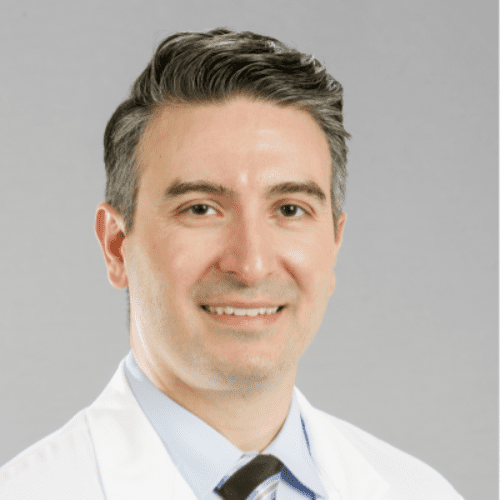
Dr. Hooman Saberinia, MD, is a Board-Certified Internal Medicine physician with extensive experience in both inpatient and outpatient care. With a background in diagnosing and treating a wide range of medical conditions, he has also proudly served Veterans as a primary care physician within the VA healthcare system. Dr. Saberinia completed his internal medicine training at the University of Connecticut Health Center and holds a Master’s in Health Systems Administration from Georgetown University. Passionate about a holistic approach to wellness, he advocates for the safe and effective use of medical marijuana to treat various conditions. Dr. Saberinia is committed to providing thorough medical evaluations for Virginia’s medical marijuana card program. Schedule a visit to receive your medical marijuana certification with Dr. Saberinia.